When Mother Nature Filed an Insurance Claim That Meteorologists Said Was Impossible
In the summer of 1923, the Atlantic Maritime Shipping Company filed what would become one of the most perplexing insurance claims in American history. They wanted compensation for extensive hurricane damage to their Gulf Coast facilities. The problem? According to every official weather record, no hurricane had struck the area that year.
The Damage That Couldn't Be Explained
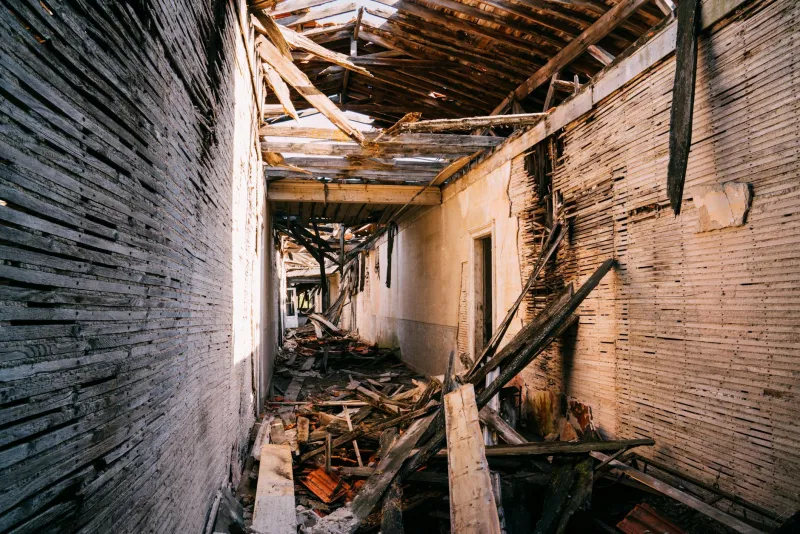
The evidence was undeniable. Atlantic Maritime's warehouses in Mobile, Alabama, lay in ruins. Massive steel shipping containers had been tossed around like toys. The company's pier had been reduced to splinters, and their fleet of coastal vessels showed the telltale signs of storm damage — twisted metal, shattered windows, and hull damage consistent with being battered by hurricane-force winds.
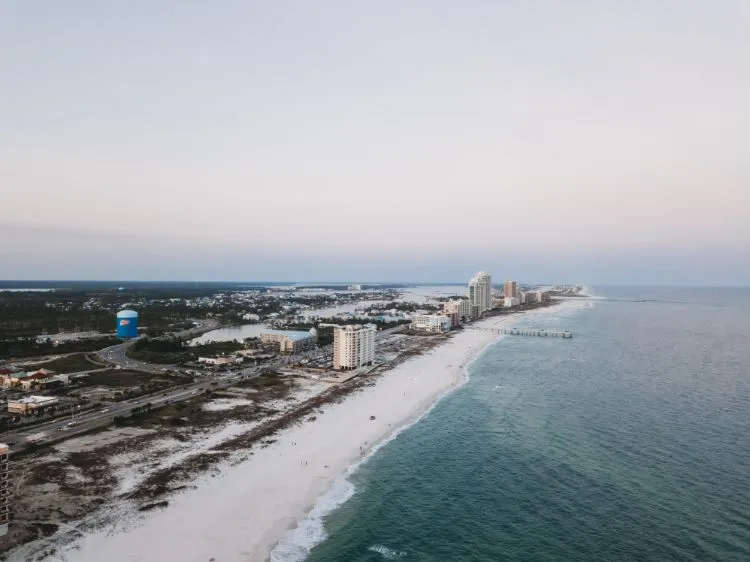 Photo: Mobile, Alabama, via www.themobilerundown.com
What made the situation bizarre wasn't the destruction itself, but the complete absence of any official record that a hurricane had caused it. The newly formed Weather Bureau had no reports of tropical storm activity in the Gulf during the timeframe Atlantic Maritime specified. Local newspapers from the period made no mention of severe weather. Even more puzzling, neighboring businesses and residences showed no comparable damage.
The Investigation That Found Everything and Nothing
Insurance investigators descended on Mobile like detectives at a crime scene. What they discovered only deepened the mystery. The damage patterns were absolutely consistent with hurricane-force winds exceeding 100 mph. Debris trajectories, structural failures, and even the specific types of damage to different materials all pointed to a major tropical storm.
Yet interviews with local residents produced conflicting accounts. Some recalled a night of "unusual weather" but described it more as a severe thunderstorm than a hurricane. Others insisted nothing out of the ordinary had occurred during the period in question.
The Weather Bureau, meanwhile, stood firm. Their records showed clear skies and normal atmospheric pressure readings throughout the region during the dates Atlantic Maritime claimed the hurricane struck. Barometric data from coastal stations revealed no significant pressure drops that would indicate a major storm system.
When Paperwork Meets Reality
The case dragged on for three years, creating an unprecedented situation where physical evidence and official records existed in completely separate realities. Atlantic Maritime could point to millions of dollars in storm damage. The Weather Bureau could point to meteorological data showing no storm had occurred.
The breakthrough came from an unexpected source: a retired lighthouse keeper named Thomas Weatherby who had maintained personal weather logs for over four decades. Weatherby's meticulous records, which he'd kept purely as a hobby, showed dramatic atmospheric changes on the night Atlantic Maritime claimed the hurricane struck.
 Photo: Thomas Weatherby, via images.scrolller.com
According to Weatherby's logs, barometric pressure had plummeted to levels typically associated with major hurricanes. Wind speeds had exceeded 110 mph for several hours. Most remarkably, his observations showed the storm had followed a highly unusual path — remaining almost stationary over Mobile Bay for most of its duration instead of moving inland as hurricanes typically do.
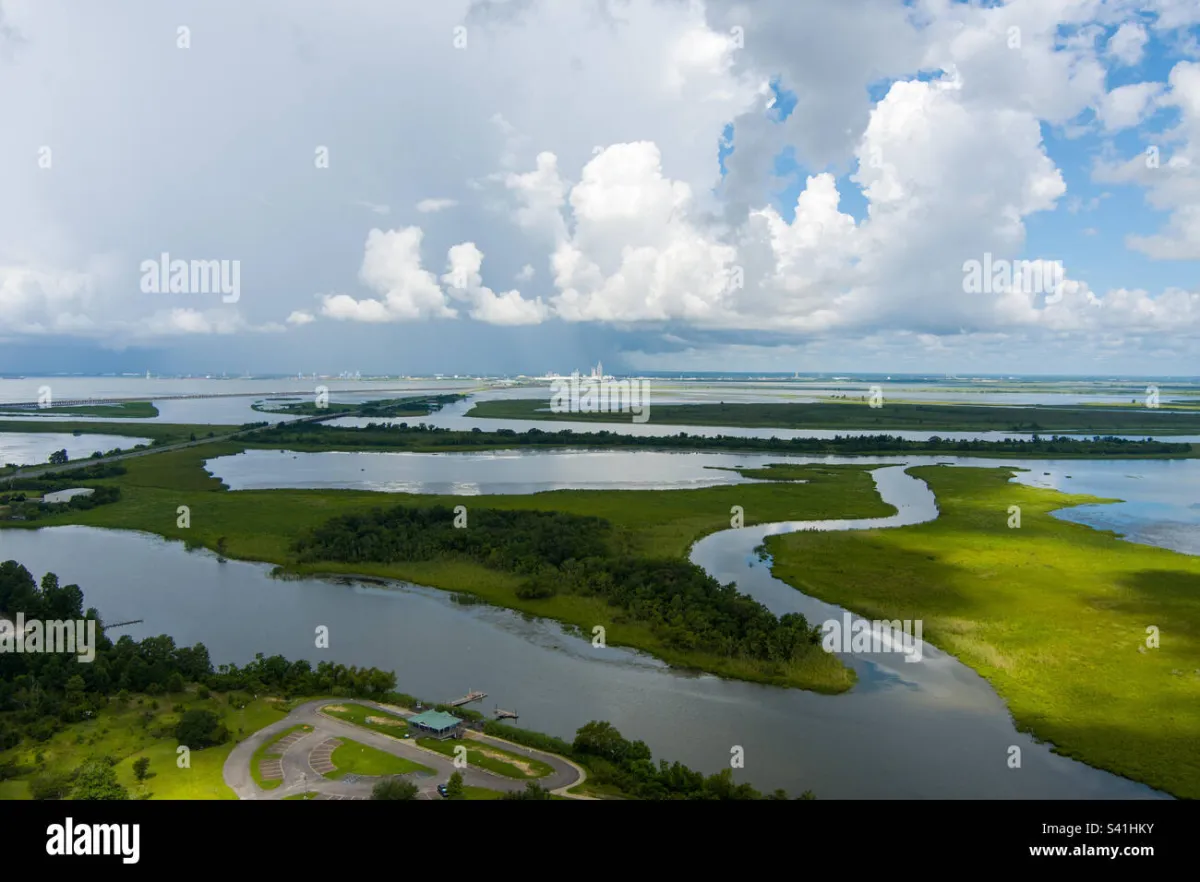 Photo: Mobile Bay, via c8.alamy.com
The Storm That Fell Through the Cracks
Further investigation revealed a perfect storm of bureaucratic failures. The Weather Bureau's coastal monitoring station in Mobile had experienced equipment malfunctions during the critical period, but this hadn't been properly reported. Telegraph lines used to communicate weather data to regional headquarters had been down due to unrelated maintenance work. Most crucially, the storm's unusual behavior — remaining nearly stationary rather than moving — had caused it to be classified as a "local severe weather event" rather than a tracked hurricane system.
In essence, the hurricane had occurred in a blind spot created by the intersection of equipment failures, communication breakdowns, and classification protocols that weren't designed to handle such an unusual storm pattern.
The Payout for a Ghost Hurricane
In 1926, after extensive deliberation, the insurance company agreed to pay Atlantic Maritime's claim in full — approximately $2.3 million, equivalent to over $30 million today. The decision set a crucial legal precedent: physical evidence of covered damage would take precedence over the absence of official documentation when the two conflicted.
The case prompted significant reforms in weather tracking and documentation procedures. The Weather Bureau implemented redundant monitoring systems and revised their storm classification protocols to account for unusual weather patterns that might otherwise slip through bureaucratic cracks.
Legacy of the Invisible Hurricane
The Atlantic Maritime case remains a fascinating example of how institutional record-keeping can sometimes fail to capture reality. In an age when we assume that everything significant gets documented, catalogued, and filed away, this incident serves as a reminder that sometimes the most dramatic events can occur in the spaces between official attention.
Today, with satellite monitoring and advanced meteorological technology, it would be nearly impossible for a major hurricane to go unrecorded. But in 1923, the infrastructure for tracking and documenting weather events was still developing, creating opportunities for natural disasters to essentially fall through administrative cracks.
The hurricane that officially never happened became one of the most thoroughly documented storms in early 20th-century history — but only after the fact, and only because someone demanded proof that it had occurred. Sometimes reality insists on being acknowledged, even when the paperwork says otherwise.