The Day America Built the Same Bridge Twice and Nobody Noticed
In the summer of 1936, residents of Millerville, Missouri, witnessed one of the most peculiar spectacles of the Great Depression: two separate construction crews building virtually identical bridges across the same stretch of the Osage River, working simultaneously just 200 yards apart from each other.
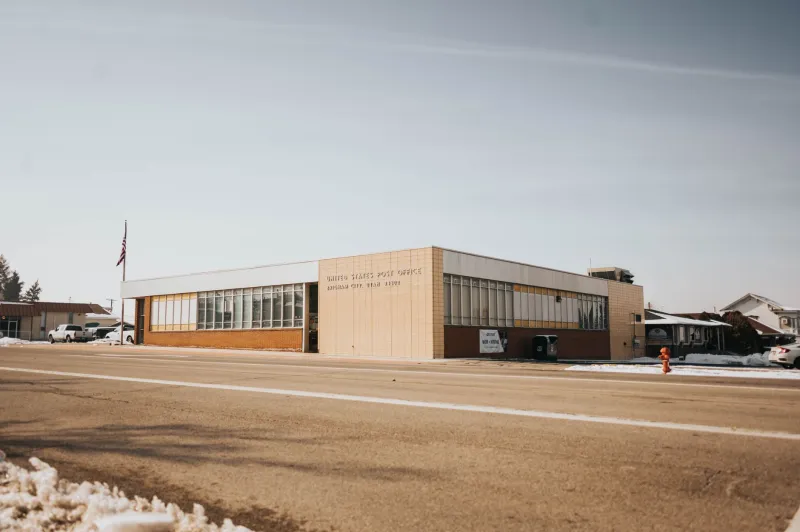
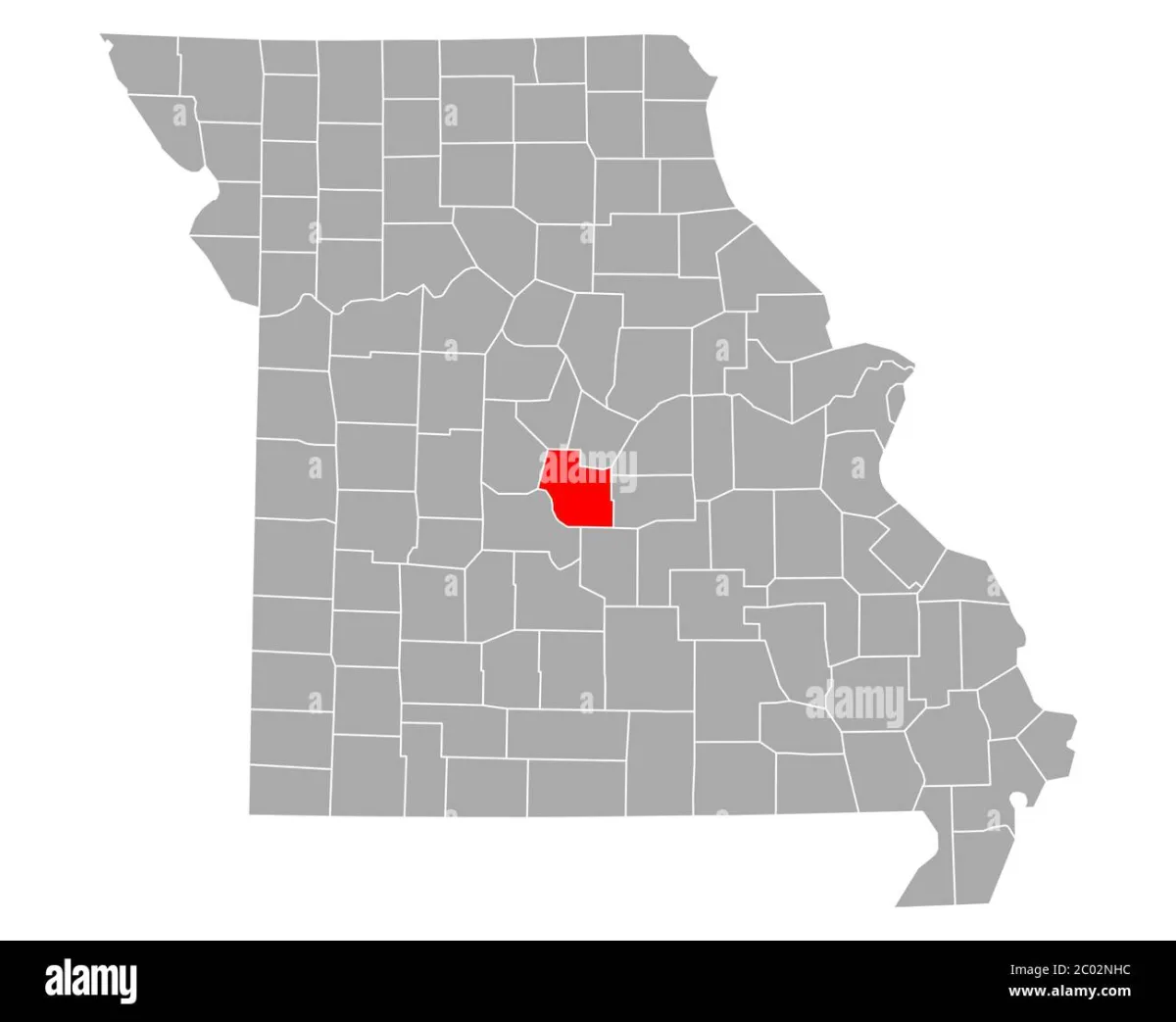 Photo: Millerville, Missouri, via c8.alamy.com
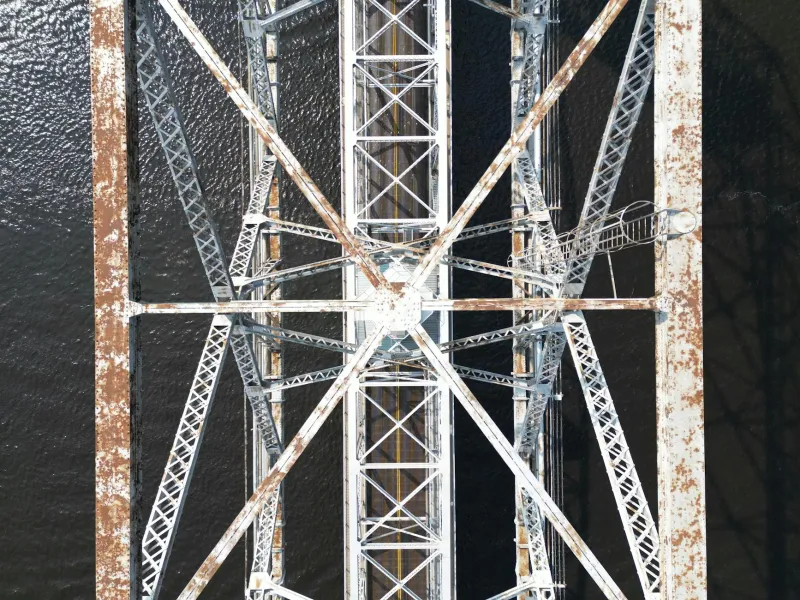
 Photo: Osage River, via i.pinimg.com
Neither crew knew the other existed.
When the New Deal Got Too New
The bizarre situation arose from the Roosevelt administration's aggressive approach to economic recovery. Multiple federal agencies had been created to tackle unemployment through public works projects, each operating with broad mandates and overlapping territories. In Missouri's case, both the Works Progress Administration (WPA) and the Public Works Administration (PWA) had identified the same rural river crossing as a critical infrastructure need.
The Osage River crossing had been served by an aging wooden bridge built in 1898. Local officials had been requesting a replacement for years, submitting applications to every federal agency they could identify. In the bureaucratic enthusiasm of 1935, both the WPA and PWA approved funding for the project — without checking whether anyone else had done the same.
The Engineers Who Never Met
WPA engineer James Patterson arrived in Millerville in March 1936 to begin preliminary work on what he understood to be the area's only federally funded bridge project. He established his field office in the local schoolhouse and began surveying potential crossing points.
 Photo: James Patterson, via www.jamespatterson.com
Three weeks later, PWA engineer Donald Mackenzie set up his operation in Millerville's grain elevator, also preparing to build what he believed was the region's only New Deal bridge project. By coincidence, both engineers selected nearly identical crossing points, separated by less than a quarter-mile of river.
The Construction That Doubled Down
Work began in earnest in May 1936. Patterson's WPA crew started construction on the upstream site, while Mackenzie's PWA team broke ground downstream. The projects proceeded according to nearly identical specifications — both were steel truss bridges designed to carry two lanes of traffic across a 180-foot span.
Local residents watched the parallel construction with growing bewilderment, but assumed the federal government knew what it was doing. Some speculated that one bridge would carry eastbound traffic while the other handled westbound — an elaborate traffic management system that seemed unnecessarily sophisticated for rural Missouri but impressive nonetheless.
The Bureaucracy That Couldn't See Straight
Meanwhile, in Washington, both agencies filed regular progress reports on their respective Missouri bridge projects. The WPA reported steady advancement on "Osage River Crossing Project #MO-1847." The PWA simultaneously reported progress on "Missouri Infrastructure Initiative Bridge #MO-PWA-336."
The similar project names and identical geographic references raised no red flags because each agency maintained its own filing system and project numbering scheme. Cross-referencing between agencies was virtually nonexistent, particularly for smaller rural projects that didn't warrant high-level attention.
The Revelation That Almost Wasn't
The duplication might have continued indefinitely if not for a chance encounter in June 1936. Patterson and Mackenzie happened to order supplies from the same regional contractor, who mentioned to Patterson that "the other bridge engineer" had placed a similar order the previous week.
Intrigued, Patterson drove downstream to investigate. What he found defied his understanding of federal project management: an almost identical bridge under construction by a team that appeared to be following the same specifications he was using.
The two engineers met that afternoon in what must have been one of the most awkward conversations in New Deal history.
The Solution That Satisfied Nobody
After confirming that both projects had legitimate federal authorization, Patterson and Mackenzie faced an unprecedented dilemma. Stopping either project would waste months of work and leave partially completed structures to deteriorate. Continuing both projects seemed absurd but was actually the most economical option at that point.
They contacted their respective headquarters, triggering a flurry of interdepartmental communication that revealed the extent of the oversight failure. The WPA and PWA had not only duplicated the Missouri bridge project but had unknowingly duplicated similar projects in at least six other states.
The Bridges That Became a Symbol
Rather than halt construction, federal officials decided to complete both bridges and market them as a demonstration of New Deal thoroughness. Press releases described the "Millerville Twin Crossings" as an example of American engineering redundancy that would ensure reliable river transportation even if one bridge required maintenance.
Local newspapers picked up the story with headlines like "Government Builds Spare Bridge" and "Missouri Gets Double Value from New Deal." The spin worked well enough that similar "intentional redundancy" was later claimed for other accidentally duplicated projects.
The Legacy of Double Vision
Both bridges opened to traffic in September 1936, just three weeks apart. The WPA bridge was dedicated with a ceremony featuring local politicians praising federal efficiency. The PWA bridge opening included speeches about the importance of backup infrastructure in modern America.
The incident prompted significant reforms in New Deal project coordination. A new Federal Projects Review Board was established to prevent similar duplications, and agencies were required to file project notifications with a central clearinghouse before beginning work.
The Bridges That Time Forgot
Remarkably, both bridges remained in service for decades. The upstream WPA bridge carried traffic until 1987, when it was replaced by a modern concrete span. The downstream PWA bridge continued operating until 1994, when it was converted to a pedestrian walkway that still serves the community today.
The Millerville Twin Crossings became a minor tourist attraction during the 1940s and 1950s, with roadside signs advertising "The Only Place in America Where You Can Cross the Same River Twice." Local businesses capitalized on the novelty, and the town's annual festival was renamed "Double Bridge Days."
The story of the duplicate bridges serves as a reminder of what can happen when ambitious government programs grow faster than their ability to coordinate with themselves. In the rush to put America back to work, federal agencies occasionally worked so hard they ended up working against each other — sometimes literally building the same solution twice.
Today, with integrated project management systems and digital coordination tools, such spectacular duplication would be nearly impossible. But in 1936, it was entirely possible for the federal government to solve the same problem twice, in the same place, at the same time, without realizing what it was doing until the work was almost finished.