The Cargo Ship That Sank Three Days After Being Successfully Salvaged
When Paperwork Beats Reality
In the annals of maritime insurance law, there exists a case so legally twisted that law schools still use it to torture first-year students. The SS Northern Belle managed to be simultaneously the most successful salvage operation and the most spectacular insurance failure in Great Lakes history — depending on which calendar you were using.
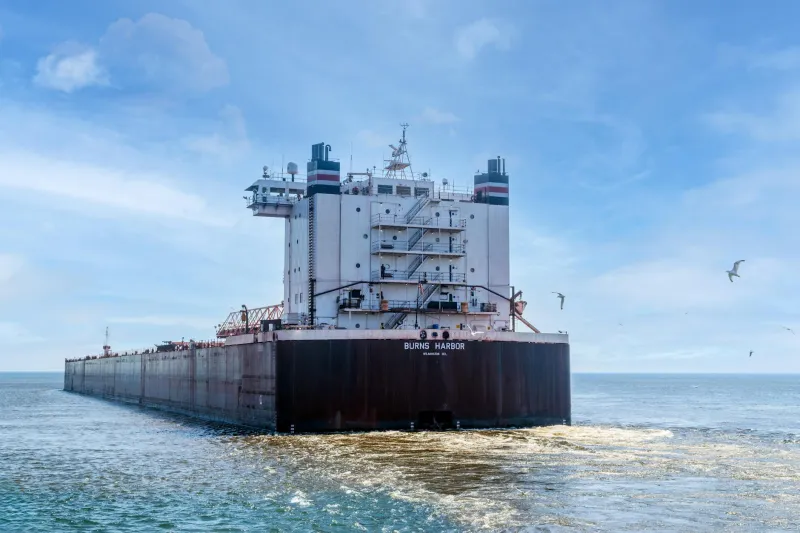
 Photo: SS Northern Belle, via cordcutting.com
The ship was officially rescued on November 15, 1923. It sank on November 18, 1923. Both statements are completely true, which is why insurance companies rewrote their entire rulebook afterward.
The Storm That Started Everything
The Northern Belle was a typical Great Lakes cargo hauler — 380 feet of steel and stubbornness designed to carry iron ore from Minnesota to steel mills in Ohio. On November 12, 1923, she was loaded with 4,200 tons of taconite pellets when Lake Superior decided to throw one of its legendary tantrums.
 Photo: Lake Superior, via wallpapercave.com
The storm caught Captain Henrik Larsen by surprise. Weather forecasting in 1923 consisted mainly of looking at the sky and hoping for the best. By the time Larsen realized he was in serious trouble, 40-foot waves were tossing his ship around like a bathtub toy.
The Northern Belle ran aground on a reef near Isle Royale, her hull cracked but not breached. The crew was evacuated by Coast Guard cutter, leaving behind a ship that was damaged but definitely not sunk.
 Photo: Isle Royale, via mercedes-oldtimer-park.de
The Eager Insurance Adjuster
This is where the story gets weird. Maritime insurance in the 1920s operated on a "total loss or total save" principle — either the ship was completely lost (and the full claim paid) or it was successfully salvaged (and no claim paid). There was no middle ground.
Insurance adjuster William Hartwell arrived at the scene on November 14, determined to close the case quickly. Hartwell had a reputation for efficiency and a bonus structure that rewarded fast claim resolution. He took one look at the Northern Belle, saw that she was still afloat with her cargo intact, and made a decision that would haunt insurance law for decades.
He declared the ship successfully salvaged.
The Paperwork That Couldn't Wait
Hartwell's logic seemed sound. The Northern Belle was aground but stable. Her cargo was secure. A salvage crew was already en route to refloat her during the next calm weather window. In his mind, the rescue was inevitable — just a matter of time and tugboats.
So he filed his report on November 15: "Vessel successfully salvaged. Cargo secure. No claim warranted." The insurance company, eager to avoid paying out a massive claim, immediately closed the case and sent congratulatory telegrams to everyone involved.
The Northern Belle was officially rescued. The paperwork was filed. The case was closed.
There was just one problem: nobody had actually moved the ship yet.
The Storm That Ruined Everything
November 18 dawned gray and ominous. The salvage crew was scheduled to begin refloating operations that morning, but the weather had other plans. A second storm system swept across Lake Superior, bringing winds that made the previous week's weather look like a gentle breeze.
The Northern Belle, still firmly aground on her reef, took a pounding that her already-damaged hull couldn't withstand. By noon, she was listing heavily to port. By sunset, she had slipped off the reef and settled into 180 feet of water, taking her cargo of iron ore to the bottom.
The ship that had been officially rescued three days earlier was now indisputably sunk.
The Legal Nightmare
When news of the sinking reached the insurance company's offices in Chicago, it triggered a legal crisis that nobody had anticipated. How do you handle a claim for a ship that you've already declared successfully salvaged?
The shipping company immediately filed a new claim, arguing that their vessel had been lost and they deserved compensation. The insurance company refused, pointing to Hartwell's report declaring the ship rescued. The case went to court, where judges found themselves grappling with questions that maritime law had never addressed.
Can a ship be legally saved before it's physically moved? If an insurance adjuster declares a vessel salvaged, does that create a legal reality independent of physical facts? What happens when paperwork and reality disagree?
The Five-Year Battle
The Northern Belle case bounced between state and federal courts from 1924 to 1929. Legal scholars wrote papers about it. Insurance companies hired teams of lawyers to monitor the proceedings. The case established precedents that are still cited today.
The core question was philosophical as much as legal: In insurance law, which matters more — what actually happened or what the paperwork says happened?
The shipping company argued that you can't salvage a ship with a fountain pen. The insurance company countered that their adjuster had acted in good faith based on reasonable expectations. Both sides spent more on legal fees than the original claim was worth.
The Solomon's Baby Solution
In 1929, the Supreme Court finally settled the matter with a decision that satisfied nobody and changed everything. The court ruled that Hartwell's salvage declaration was premature but made in good faith. The insurance company would have to pay the claim, but only for the ship's condition at the time of the second storm — not its original value.
This meant calculating the worth of a damaged ship that was aground but not yet sunk. Insurance mathematicians spent months developing formulas for "hypothetical vessel valuation pending salvage completion."
The shipping company got some money. The insurance company avoided total loss. The legal system got a headache that lasted decades.
The Industry Changes Course
The Northern Belle disaster forced maritime insurance companies to completely rewrite their policies. The new rules required physical verification of salvage completion before any claims could be closed. No more declaring ships rescued based on optimistic projections.
The changes rippled through the entire industry. Salvage operations became more formal, with detailed documentation requirements. Insurance adjusters could no longer close cases based on good intentions and favorable weather forecasts.
The Wreck That Taught Law
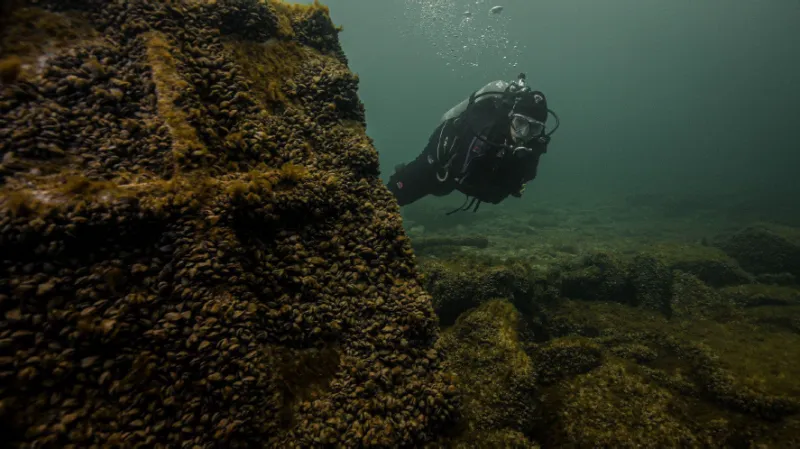
Today, the Northern Belle rests on the bottom of Lake Superior, her cargo of iron ore slowly rusting away. Sport divers occasionally visit the wreck, unaware that they're looking at one of the most legally significant ships in American maritime history.
Law schools still teach the Northern Belle case as an example of how good intentions can create bad law. Insurance companies still reference it when writing policies about salvage operations.
The ship that was successfully rescued before it was actually saved taught an entire industry that sometimes, paperwork needs to wait for reality to catch up.