When Chicago's Phantom Skyscraper Became a Million-Dollar Reality
The Building That Never Was
In 1923, somewhere in the maze of Chicago's municipal filing system, a clerical error created one of the most expensive pieces of real estate that never existed. What started as a simple paperwork mistake ended with an insurance company writing a check for over $800,000 — roughly $12 million in today's money — for a commercial building that had never been built, never been designed, and never even had a foundation poured.
The story begins with ambitious developer Marcus Thornfield, who had grand plans for a 12-story office building on South LaSalle Street. In the spring of 1923, Thornfield filed the proper permits, secured financing, and took out a comprehensive insurance policy covering construction delays, material losses, and structural damage. Everything seemed routine — except for one crucial detail that nobody noticed at the time.
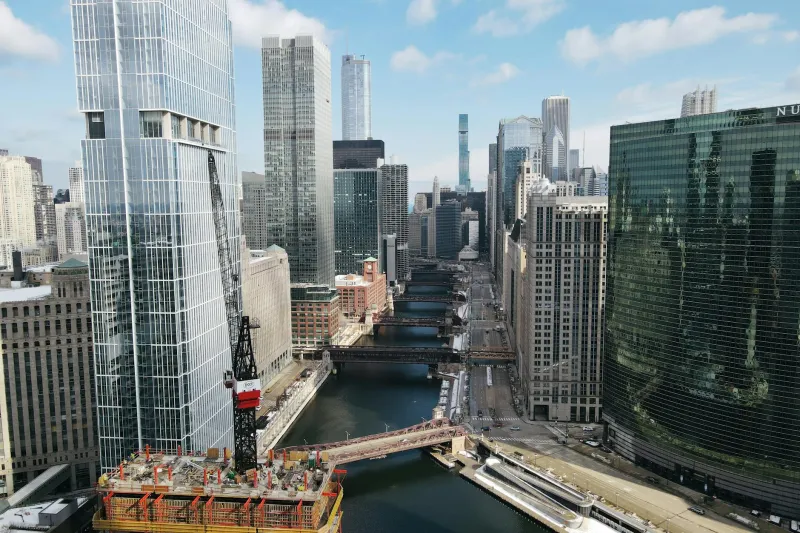
 Photo: South LaSalle Street, via gop-prod.s3.amazonaws.com
When Paperwork Creates Reality
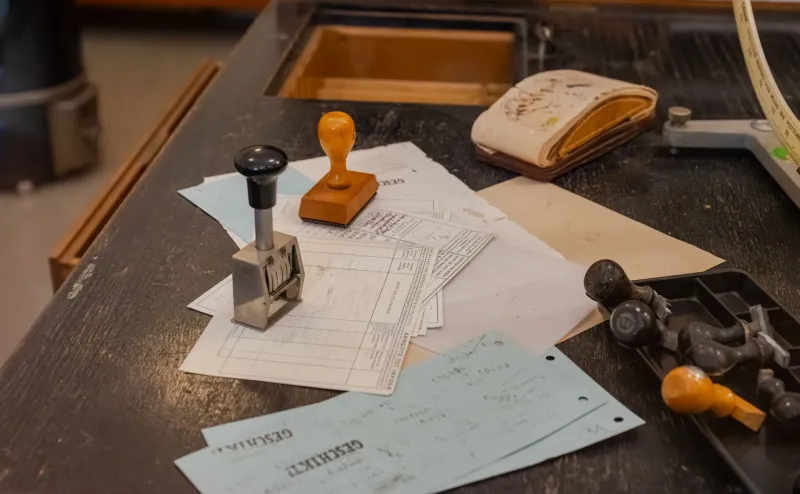
Somewhere between the permit office, the zoning department, and the insurance company's underwriters, Thornfield's proposed building transformed from a future possibility into a present reality. A filing clerk, working through a stack of construction permits, accidentally checked a box indicating that the structure was "completed and occupied" rather than "planned for construction."
This single checkmark triggered a cascade of bureaucratic assumptions. The city's property assessment office added the building to its tax rolls, assigning it a valuation of $750,000. The fire department included it in their inspection schedules. The postal service allocated mail routes that included the phantom structure's future tenants.
Most importantly, the insurance company's policy writers, working from city records that now showed an existing 12-story building, issued a standard commercial property policy rather than a construction insurance policy. They were now covering a building that their own underwriters had never seen, based entirely on paperwork that said it existed.
The Convenient Catastrophe
For eight months, this paper building lived a quiet existence in Chicago's filing cabinets. Thornfield paid property taxes on a structure made of municipal documents. The insurance company collected premiums for protecting a building constructed entirely of bureaucratic assumptions.
Then, in November 1923, disaster struck — sort of.
A massive electrical fire swept through several blocks of downtown Chicago, destroying or damaging dozens of buildings. When the smoke cleared, Thornfield filed an insurance claim for his "destroyed" office building, complete with detailed loss assessments and witness statements from neighboring property owners who confirmed that "something had definitely been there before the fire."
The insurance adjuster, working from a city map that clearly showed the building's location and official records confirming its existence, processed the claim without ever visiting the supposedly burned site. After all, the paperwork was perfect — building permits, occupancy certificates, tax assessments, and fire department records all confirmed that a 12-story office building had indeed existed at that address.
The Moment Truth Met Fiction
The insurance company cut Thornfield a check for $847,000 in December 1923. It wasn't until a routine audit six months later that company investigators discovered they had just paid out nearly a million dollars for a lot that contained nothing but weeds and a few scattered bricks left over from a previous structure demolished in 1919.
By the time the insurance company realized their mistake, Thornfield had vanished, along with most of the money. What followed was a legal battle that would establish precedents still cited in insurance law today.
When the Courts Made It Official
The case of Mutual Fire & Casualty v. The City of Chicago became a landmark ruling in administrative law. The insurance company sued both Thornfield and the city, arguing that they had been defrauded by a building that had never existed.
The city's lawyers made a remarkable argument: according to every official record, the building had existed. The permit office had approved its construction. The assessor's office had valued it. The fire department had inspected it. The postal service had assigned it addresses. In the eyes of municipal law, the building was as real as City Hall.
 Photo: City Hall, via image.shutterstock.com
Judge Harold Morrison delivered a ruling that seemed to defy common sense: "While the court acknowledges that no physical structure existed at the claimed location, the legal reality of said structure, as established through proper municipal channels and confirmed by official city records, created a legitimate insurable interest. The insurance company entered into this contract based on legally valid documentation provided by authorized city offices."
In other words, Chicago's bureaucracy had been so thorough in creating a paper building that the courts decided it legally existed, even if it physically didn't.
The Million-Dollar Lesson
The insurance company was forced to accept the loss, though they did recover about $200,000 when Thornfield was eventually arrested in California two years later. The case led to sweeping reforms in how insurance companies verify property claims and how cities track construction permits.
But perhaps the strangest part of the whole affair was what happened to the empty lot. The city, having officially recognized a 12-story building at that address, continued to assess property taxes on the phantom structure until 1931, when a new administration finally ordered a comprehensive audit of municipal records.
For eight years, Chicago collected taxes on a building made of nothing but paperwork — proving that sometimes, in the maze of modern bureaucracy, legal fiction can become more real than physical reality itself.