The Wrong Turn That Almost Started an International Incident
In the tense atmosphere of 1962, every military movement carried weight. So when Captain James Mitchell's reconnaissance unit made a simple navigation error during routine exercises near the Canadian border, what should have been a minor course correction instead became one of the most quietly frantic diplomatic scrambles of the Cold War era.
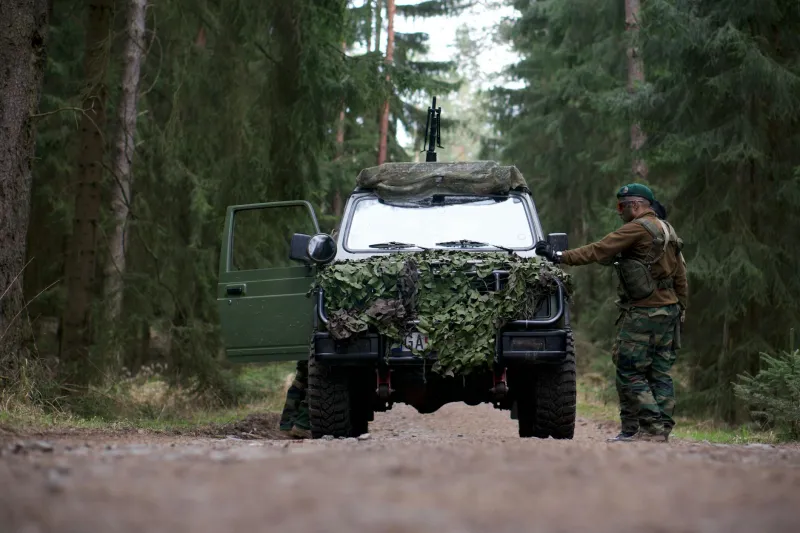
The 23-man unit was conducting standard patrol exercises in remote northern Maine when their compass readings led them three miles across the border into New Brunswick. What made this particularly awkward wasn't just that they'd accidentally invaded a friendly nation — it was that they'd done so in full combat gear, carrying classified radio equipment, during a period of heightened international tensions.
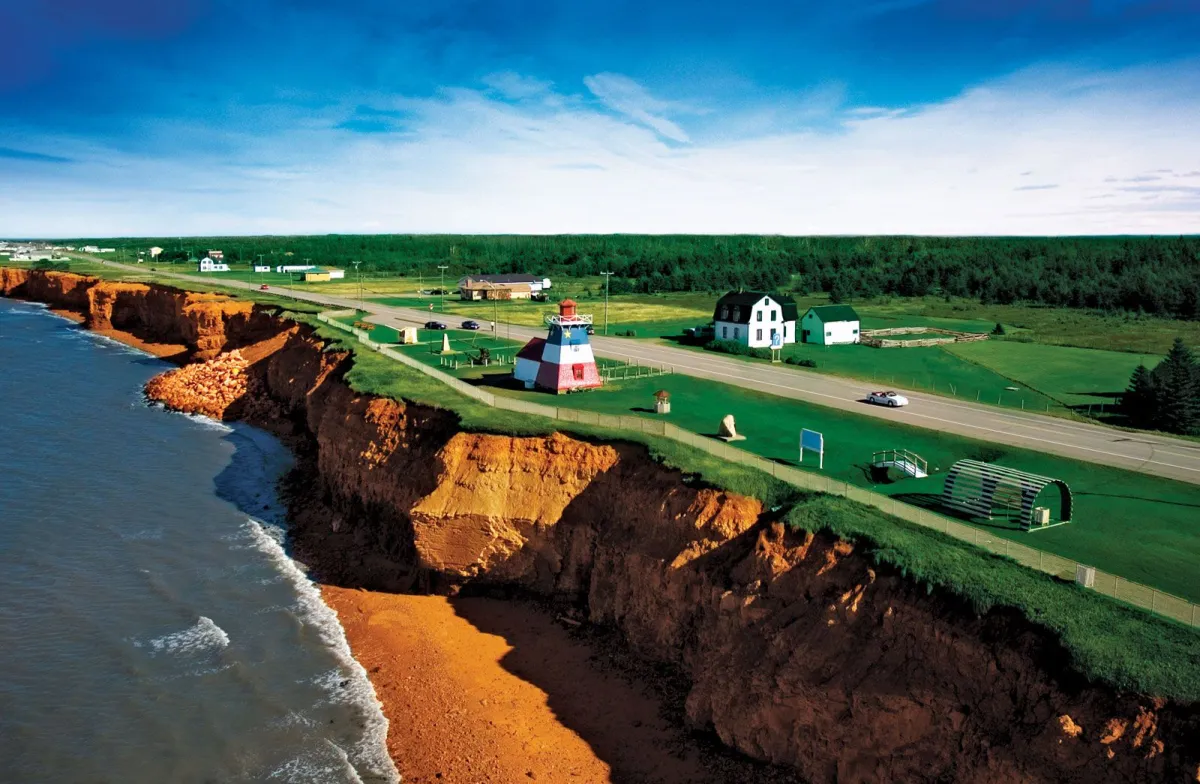 Photo: New Brunswick, via cdn.britannica.com
A Bewildered Reception Committee
Canadian border patrol officer Robert MacLeod was having a quiet Tuesday morning when he spotted armed American soldiers setting up what appeared to be a temporary base camp on Canadian soil. His radio call to headquarters in Ottawa triggered a cascade of increasingly frantic phone calls that reached the highest levels of both governments within hours.
 Photo: Robert MacLeod, via images.mubicdn.net
The Canadians found themselves in an unprecedented situation. Their protocols covered smugglers, illegal immigrants, and even the occasional lost hunter — but nowhere in their manual was there guidance for handling an entire U.S. military unit that had accidentally invaded their country while carrying sensitive equipment.
"We had no idea what to do with them," MacLeod later recalled in a 1987 interview. "They were polite, professional, and completely unaware they were in the wrong country. One of them asked for directions to the nearest American town — which was now 20 miles behind them."
The Diplomatic Dance Begins
What followed was a masterclass in bureaucratic panic management. Canadian officials couldn't simply release the soldiers without documentation, but formally arresting American military personnel would require notifications to NATO, the State Department, and potentially the United Nations. Meanwhile, the Americans couldn't acknowledge that their troops had crossed an international border while carrying classified materials without triggering a security review that would take months.
The solution they devised was as creative as it was legally questionable. Canadian authorities would "escort" the American unit back to the border while American officials would report the soldiers as having been "temporarily separated from their designated patrol area due to equipment malfunction."
The Cover-Up That Couldn't Stay Covered
For nearly six hours, both governments worked frantically to ensure the incident never officially happened. Phone calls flew between Ottawa and Washington as officials crafted a narrative that would satisfy military protocols on both sides without creating an international incident.
The plan almost worked. The soldiers were quietly returned to American soil, their equipment was inspected and cleared, and both governments agreed to classify the entire episode under routine border cooperation agreements. Official reports would show nothing more than a successful joint training exercise in border security protocols.
But someone forgot to inform the local press. A New Brunswick newspaper reporter, monitoring police radio frequencies, had overheard references to "American military personnel requiring escort assistance." His subsequent investigation uncovered enough details to piece together the basic facts, though both governments refused to confirm or deny his story.
The Aftermath That Wouldn't Go Away
The incident should have ended there, filed away in the diplomatic equivalent of a drawer marked "things we don't discuss." Instead, it became a case study in how modern bureaucracy handles problems that don't fit existing categories.
For the soldiers involved, the experience was surreal. They'd spent hours as inadvertent international prisoners, treated with courteous confusion by Canadian officials who offered them coffee and sandwiches while waiting for instructions from Ottawa. Captain Mitchell later described it as "the most polite detention in military history."
The diplomatic repercussions proved more lasting. The incident exposed gaps in border security protocols that both nations scrambled to address. New procedures were quietly implemented for handling "navigation errors" involving military personnel, though the specific details remain classified.
The Mystery That Remains
More than 60 years later, historians still debate the full scope of what happened during those six hours in 1962. Official records from both governments remain heavily redacted, and many of the participants have taken their stories to their graves.
What we know comes largely from local witnesses and a handful of declassified memos that reference the incident obliquely. The soldiers involved were reportedly transferred to different units within months, and Captain Mitchell's military records show an unusual gap in his service history that corresponds exactly to the time period in question.
The incident serves as a reminder that even in our highly mapped and monitored world, a simple wrong turn can create problems that governments struggle to solve. Sometimes the most difficult crises aren't the ones that make headlines — they're the ones that officials work desperately to ensure never become headlines at all.
Today, the stretch of forest where American soldiers accidentally became international prisoners looks much the same as it did in 1962. The only difference is a small marker, installed years later, noting the exact location of the border. It's a quiet monument to the day when a navigation error almost rewrote the diplomatic playbook.