The Spill That Changed Everything
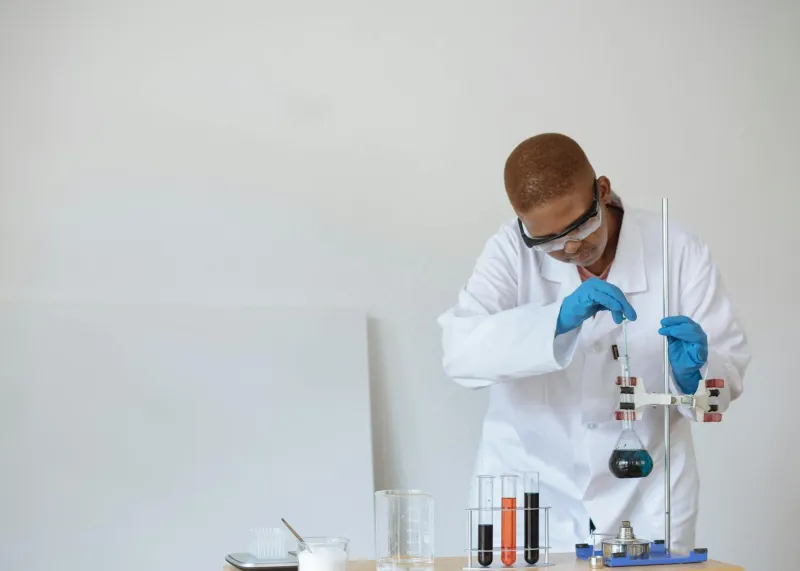
Dr. Harold Weinstock was having a terrible day in his University of Chicago laboratory in 1951. The organic chemist had been working on a routine synthesis project when he accidentally knocked over a beaker, spilling an experimental compound across his workbench. As he cleaned up the mess, something extraordinary happened that would remain classified for the next thirty years.
The spilled chemical had come into contact with a metal surface and created an unexpected reaction. Instead of the corrosion or discoloration Weinstock expected, the metal began exhibiting properties that seemed to defy conventional chemistry. Within hours, federal agents were at his door.
When Uncle Sam Comes Knocking
What happened next reads like a Cold War thriller. Representatives from multiple government agencies descended on Weinstock's lab, examined his notes, interviewed his assistants, and made him an offer he quite literally couldn't refuse.
The government wanted to purchase his research, his notes, his samples, and his silence. The compound he'd accidentally created had potential applications that made it a matter of national security. Weinstock was given a choice: sell the rights to his discovery and sign a classification agreement, or watch his research be seized under wartime powers that were still in effect.
The chemist took the money, signed the papers, and suddenly found himself legally forbidden from discussing his own work. Even his wife wasn't allowed to know what had happened in his lab that day.
The Secret Life of an Accidental Invention
For the next three decades, Weinstock's compound lived a double life. Officially, it didn't exist. The research papers were classified, the patent applications were sealed, and anyone who worked with the material was required to sign agreements that made the Manhattan Project's security look casual.
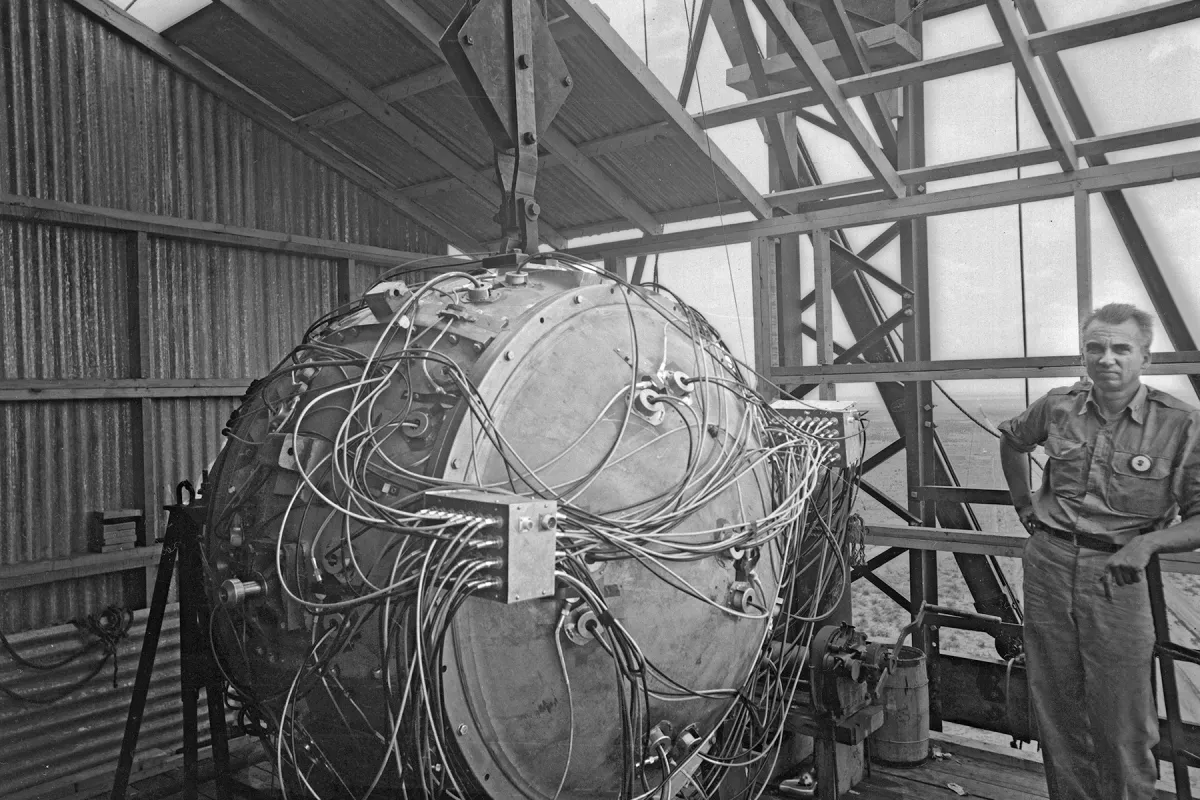 Photo: Manhattan Project, via www.nps.gov
Unofficially, the substance was being produced in government facilities and deployed in operations around the world. The compound's unique properties made it invaluable for covert applications that wouldn't be declassified until the 1980s.
Weinstock continued his academic career, publishing papers on other chemical research while sitting on what he knew was the discovery of his lifetime. Colleagues noticed he'd become strangely evasive about certain aspects of his work, but the classification agreement prevented him from explaining why.
The Properties That Made History
What made Weinstock's accidental compound so valuable remained classified for decades, but declassified documents reveal it had several remarkable characteristics. The substance could alter the molecular structure of certain materials in ways that were reversible under specific conditions, making it perfect for covert operations where evidence needed to disappear.
The compound could also enhance the effectiveness of existing technologies while leaving no detectable trace of its presence. During the height of the Cold War, these properties made it invaluable for intelligence operations that required absolute deniability.
Even more remarkably, the substance was incredibly stable and could be deployed in tiny quantities while maintaining its effectiveness. A few grams could treat enough material to supply multiple operations, making it cost-effective despite the enormous expense of producing it under classified conditions.
The Chemist Who Couldn't Celebrate His Success
Weinstock spent decades watching other scientists receive recognition for discoveries he considered less significant than his own accidental breakthrough. He couldn't publish papers about his most important work, couldn't discuss it at conferences, and couldn't even hint at its applications.
The psychological toll of sitting on a major scientific discovery became apparent to those close to him. Weinstock developed a reputation for being brilliant but secretive, innovative but strangely reluctant to discuss certain aspects of his research methodology.
His students noticed he had an unusual knowledge of government contracting procedures and security protocols that seemed odd for an academic chemist. Some suspected he did consulting work for federal agencies, but Weinstock could never confirm or deny their suspicions.
When Secrets Finally Surface
The compound's existence was partially declassified in 1982 as part of a broader release of Cold War-era scientific documents. Even then, many details remained classified, and Weinstock was only permitted to discuss certain aspects of his discovery.
By the time he could finally talk about his work, Weinstock was in his seventies and the scientific world had moved on. The revelation that a major Cold War technology had been discovered by accident in a university lab was buried in technical journals rather than celebrated in mainstream media.
The full applications of Weinstock's compound remain classified to this day. Government documents hint at its continued use in specialized applications, but the specific details are still considered too sensitive for public release.
The Price of Accidental Genius
Weinstock's story illustrates the strange intersection between scientific discovery and national security during the Cold War era. His accidental breakthrough demonstrates how quickly the government could move to control potentially valuable research, and how scientists could find themselves bound by secrecy agreements that lasted decades.
The chemist received financial compensation for his discovery, but he paid a professional price that money couldn't address. The work that should have defined his career became the work he couldn't discuss, turning his greatest achievement into his most closely guarded secret.
Today, researchers working on sensitive projects sign agreements that echo the terms Weinstock accepted in 1951, though modern protocols provide more transparency about the classification process itself.