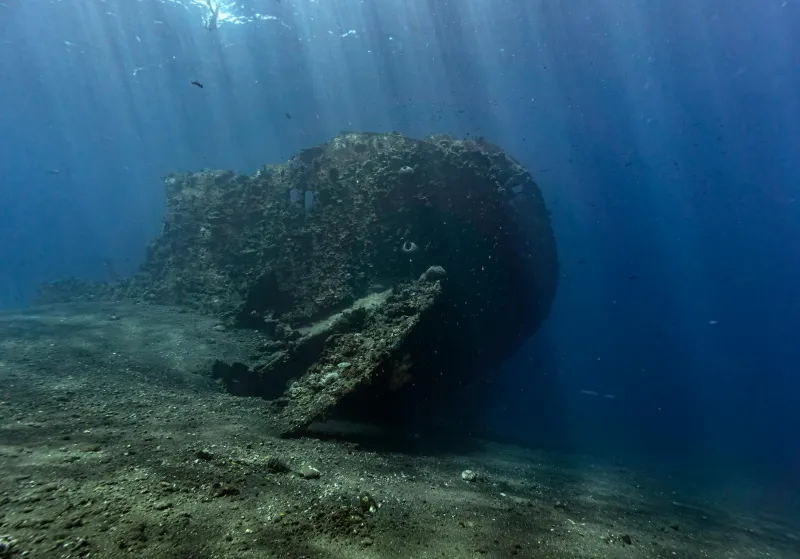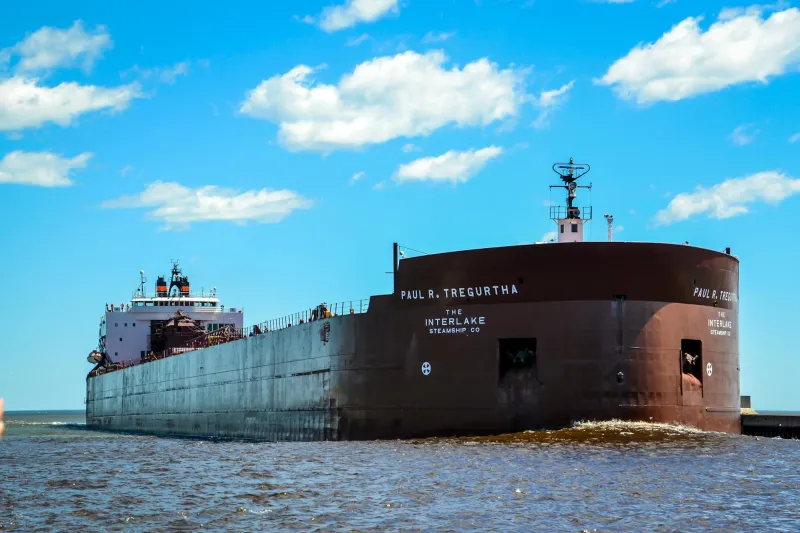
The Ship That Died Twice in One Year
The SS Northern Belle earned a unique place in maritime history by accomplishing something most vessels never manage once: she sank twice in the same calendar year, collected insurance payments both times, and somehow remained profitable throughout the entire ordeal. The 1923 case became a landmark in admiralty law, not because it established important legal precedents, but because it demonstrated just how creatively desperate ship owners could exploit the insurance system.
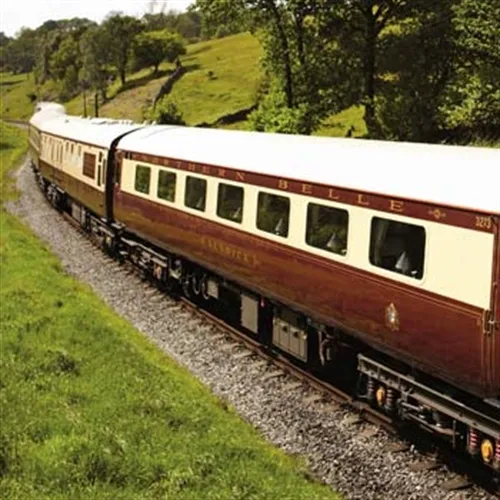 Photo: SS Northern Belle, via www.intotheblue.co.uk
Captain William "Billy" Morrison had been running cargo ships on the Great Lakes for fifteen years when he conceived what federal prosecutors later called "the most audacious maritime fraud in American waters." His plan was simple in concept, byzantine in execution, and successful enough to fool insurance investigators for eight months.
The First Death: A Convenient Storm
The Northern Belle's first demise occurred during a November storm on Lake Michigan. According to the insurance claim filed by Morrison's company, Great Lakes Shipping Enterprises, the vessel was carrying a full load of iron ore from Duluth to Chicago when heavy weather caused catastrophic hull damage near the Straits of Mackinac.
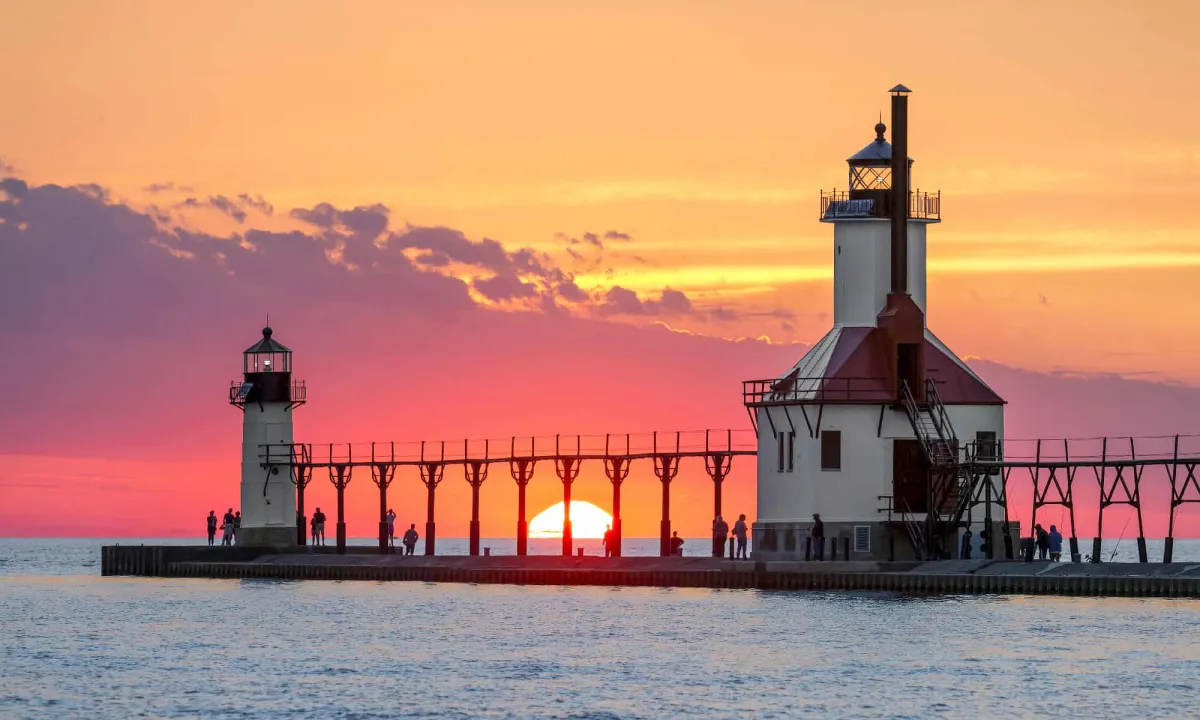 Photo: Lake Michigan, via a-z-animals.com
Morrison's distress report painted a picture of heroic seamanship under impossible conditions. His crew had fought for hours to save the ship, jettisoning cargo and pumping water until the engines failed. The Northern Belle went down in 180 feet of water with her entire cargo, a total loss valued at $85,000 — equivalent to over $1.3 million today.
The insurance company, Midwest Maritime Mutual, conducted what they considered a thorough investigation. They interviewed crew members, reviewed weather reports, and confirmed that similar ships had indeed experienced difficulties during the same storm. The claim was paid within six weeks, allowing Morrison to purchase a replacement vessel for the spring shipping season.
What investigators didn't know was that the Northern Belle was sitting on the bottom of a much shallower bay, deliberately scuttled in 40 feet of water where Morrison's divers could easily reach her.
The Secret Salvage Operation
While insurance investigators were closing their files, Morrison was orchestrating one of the most elaborate salvage operations in Great Lakes history. Working at night and during periods of poor visibility, his crew used a floating crane barge to raise the Northern Belle section by section.
The operation took three months and required Morrison to bribe local coast guard officials, forge salvage permits, and maintain absolute secrecy among a crew of nearly two dozen men. The raised vessel was towed to a remote shipyard in Wisconsin, where she underwent extensive repairs and modifications.
Most importantly, she received a new name: the SS Lake Superior. New registration papers, filed through a shell company Morrison had created months earlier, listed her as a recently purchased vessel from a Canadian shipbreaker. The documentation was so convincing that even maritime insurance databases showed no connection between the Lake Superior and the supposedly sunken Northern Belle.
The Second Career and Second Sinking
For five months in 1923, the ship that had been the Northern Belle operated profitably as the Lake Superior. Morrison used her to transport grain and lumber, carefully avoiding routes where former crew members might recognize the vessel. He even had her repainted and modified her superstructure to change her silhouette.
The scheme might have continued indefinitely if Morrison hadn't gotten greedy. In August, he decided to "sink" the Lake Superior as well, collecting a second insurance payout from a different company, Great Lakes Underwriters Association.
This time, Morrison claimed the Lake Superior had been lost in a collision with an unidentified vessel during a foggy night crossing of Lake Huron. The mysterious other ship had allegedly fled the scene, leaving no witnesses except Morrison's crew. Once again, the insurance company found the claim credible enough to pay — $92,000 for the vessel and cargo.
The Investigation That Unraveled Everything
Morrison's downfall came from an unexpected source: a disgruntled former employee who had been fired from Great Lakes Shipping Enterprises for drinking on duty. Thomas McKenna contacted insurance investigators with claims that Morrison was operating a massive fraud scheme involving multiple vessels and false identities.
Initially, investigators were skeptical. McKenna was known as unreliable, and his accusations seemed too elaborate to be credible. But when they began checking his specific claims about the Northern Belle and Lake Superior, disturbing patterns emerged.
The breakthrough came when investigators compared the detailed specifications of both vessels from their insurance files. Despite different names, registry numbers, and ownership papers, the ships had identical dimensions, engine specifications, and even the same unusual modifications to their cargo holds.
A diving expedition to the reported wreck site of the Northern Belle found nothing but empty water. Meanwhile, maritime records showed that the Lake Superior had been scrapped at a Wisconsin shipyard just weeks after her supposed sinking — the same shipyard where she had been "repaired" earlier that year.
The Trial That Amazed a Federal Judge
When the case went to federal court in 1924, prosecutors faced an unusual challenge: proving that the same ship had been sunk twice by the same captain for insurance money. The evidence was overwhelming but so complex that it took three weeks just to explain the basic facts to the jury.
Morrison's defense was as audacious as his original scheme. His lawyers argued that their client had indeed lost the Northern Belle in a storm, had legitimately purchased the Lake Superior from Canadian sellers, and had suffered genuine bad luck when the second vessel was also lost. The fact that both ships had identical specifications was, they claimed, simply coincidence — Morrison naturally preferred vessels with familiar characteristics.
Federal Judge Harrison Webb ultimately called the scheme "criminally brilliant" while sentencing Morrison to five years in federal prison. In his ruling, Webb noted that Morrison had technically broken no existing maritime laws, since there was no specific statute prohibiting the salvage and re-registration of one's own "sunken" vessel.
The Legal Legacy of a Sunken Scheme
The Northern Belle case led to significant changes in maritime insurance law and ship registration procedures. Insurance companies began requiring more detailed vessel inspections and cross-referencing claims databases to prevent duplicate coverage. Ship registration authorities implemented new verification procedures to prevent vessels from being registered under multiple identities.
Morrison served three years of his sentence and was released in 1927. He never returned to the shipping business, instead opening a small restaurant in Detroit where he reportedly entertained customers with stories of his maritime adventures — though he always insisted the Northern Belle had really sunk in a storm.
The case remains a favorite among maritime law professors as an example of how legal loopholes can be exploited by sufficiently creative criminals. It also stands as proof that in the era before modern communication and computer databases, it was possible for a ship to lead multiple lives — and die multiple deaths — without anyone noticing until it was far too late.
Today, both the Northern Belle and the Lake Superior exist only in court records and insurance files, testament to one captain's remarkable ability to make the same ship disappear twice in the same year.